

Comprehensive Cataract Management in Yavapai County
Cataracts are one of the most common vision concerns in the United States. According to the National Eye Institute, more than half of all Americans age 80 or older either have cataracts or have had surgery to get rid of them.
While aging is the primary risk factor, people can begin developing them as early as their 40s or 50s. At Prescott Valley Eye Care, we provide detailed eye exams to monitor lens changes over time, offering ongoing vision care and practical treatment advice to help you maintain clarity in your daily life.
Have you been diagnosed with cataracts? Visit us in Prescott Valley and let us help you manage your eye care.
What Are Cataracts?
A cataract is a gradual clouding of the eye’s natural lens, which sits behind the iris and the pupil. In a healthy eye, the lens is clear and focuses light onto the retina to produce sharp images.
As a cataract develops, the proteins in the lens begin to clump together, making your vision look blurry, hazy, or less colorful, similar to looking through a fogged-up window.
While cataracts are often a normal part of the aging process, they can occur earlier due to underlying health conditions like diabetes, as well as specific lifestyle or environmental factors.
Common Symptoms of Cataracts
Because cataracts typically form very slowly, you may not notice changes to your vision immediately. Over time, however, you may experience several of the following symptoms:
- Blurred or “cloudy” vision that cannot be fully corrected with glasses
- Increased difficulty seeing at night or in low-light conditions
- Sensitivity to bright lights and glare from lamps or the sun
- Seeing “halos” around lights, especially while driving at night
- Fading or yellowing of colors, making them appear less vibrant
- Frequent changes in your eyeglass or contact lens prescription
Risk Factors for Cataracts
Several factors can increase your likelihood of developing cataracts or cause them to progress more rapidly. Age and genetics play a significant role, but health conditions like diabetes and the long-term use of certain medications, such as corticosteroids, are also major contributors.
Lifestyle factors, including smoking and excessive alcohol consumption, can further impact lens health. To help reduce the risk of early-onset cataracts, we recommend:
- Managing systemic health conditions like hypertension and diabetes
- Wearing sunglasses with 100% UV protection to shield your eyes from the sun
- Maintaining a balanced diet rich in vitamins and minerals, specifically vitamin C and E
- Quitting smoking to reduce oxidative stress on the eyes
Monitoring and Managing Your Cataracts at Prescott Valley Eye Care
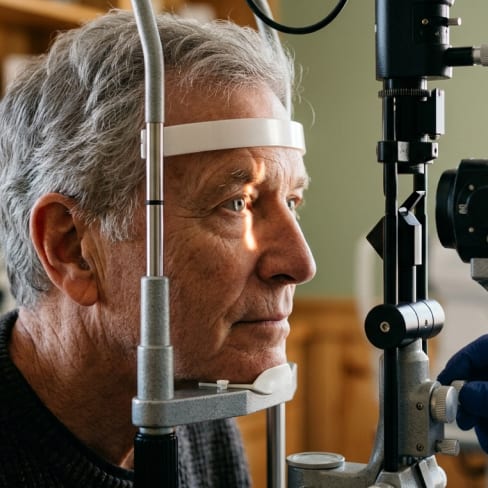
Our team is dedicated to the early detection of cataracts using our diagnostic technology during routine eye exams and cataract-specific exams. During your visit, we provide personalized advice on how to reduce your risk of cataracts and other eye diseases, and support your long-term ocular health.
As your vision changes, we provide updated eyewear prescriptions to address the blurring caused by the cataract. We can even add custom coatings to your glasses to improve contrast and clarity.
If the cataract begins to interfere with your quality of life or safety, we will refer you to a trusted cataract surgeon in Yavapai County. Following any procedure, we continue to collaborate with your specialist to manage your post-operative care and ongoing vision needs.
Prioritize Your Vision with Regular Care
Regular visits to an optometrist are the most effective way to screen for cataracts and receive preventive advice, even when your vision feels stable and no symptoms are present.
Early intervention allows us to track the progression of lens clouding and make adjustments to your care plan as needed. We invite you to book an appointment for your annual comprehensive eye exam to support your eye health for years to come.
Visit Our Location
We’re located in the Bradshaw Medical Plaza just off North Windsong Drive. Free parking is available right outside the clinic.
- Phone: 928-771-9939
- Fax: 928-772-3972
- Email: pvecfd@pveyedoc.com
*We do not have an optician or optometrist available on Fridays. Patients can only pick up glasses and contact lenses.
Our Google Reviews

Our Featured Eyewear Brands













About Us
Specialty Eye Care
Eyewear & Contacts
Contact
- 928-771-9939
- 928-772-3972
- pvecfd@pveyedoc.com