

Relief for Uncomfortable and Distracting Dry Eyes
Living with dry eye can be a persistent source of discomfort, often making it difficult to focus on work or enjoy your favorite hobbies. You may experience symptoms like a gritty sensation, redness, or occasional blurred vision that disrupts your daily routine.
While dry eye is typically a chronic condition, it does not have to control your life. At Prescott Valley Eye Care, we offer many ways to manage and relieve these symptoms through dedicated clinical treatments and proactive lifestyle adjustments designed to support your long-term comfort.
For assistance in diagnosing and managing your dry eye, visit us in Prescott Valley, Arizona.
What Is Dry Eye?
Dry eye disease, also known as ocular surface disease, occurs when your eyes do not produce enough tears or when the tears produced are of poor quality. Your tear film is a complex system consisting of three layers: oil, water, and mucus.
These layers work together to keep the surface of your eye smooth, clear, and protected. When this delicate balance is disrupted, the tear film breaks down too quickly, leading to inflammation and irritation.
Maintaining a healthy tear film is essential for protecting the eye from infection and maintaining clear, stable vision.
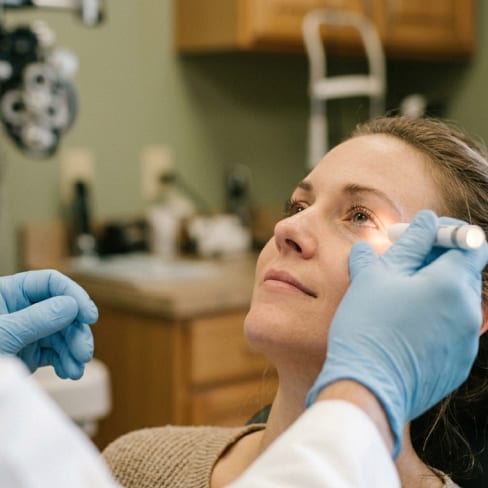
Dry Eye Symptoms
Common signs of dry eye can vary from person to person, but you may experience one or more of the following sensations:
- Redness and general irritation
- A persistent stinging or burning sensation
- The feeling of having sand or grit in your eyes
- Stringy mucus in or around the eyes
- Sensitivity to light
- Watery eyes (compensating for poor-quality tears)
- Blurred vision, especially when reading
- Eye fatigue after short periods of screen use
- Difficulty wearing contact lenses comfortably
Common Causes of Dry Eye
Several environmental and biological factors can contribute to the development of dry eye disease, including:
- Meibomian gland dysfunction (the oil glands in the eyelids)
- Autoimmune conditions like Sjogren’s syndrome or rheumatoid arthritis
- Prolonged contact lens wear
- Demodex (microscopic mites that live on eyelashes)
- Aging and hormonal changes
- Dry, windy, or smoky environments
- Certain medications, including antihistamines and antidepressants
- Previous eye surgeries, such as LASIK
How We Treat Dry Eye
Our approach begins with proactive screenings included in our comprehensive eye exams for both children and adults. By identifying the root cause of your discomfort early, we can develop a personalized management plan.
Your plan may include prescription medications or eye drops, a targeted eyelid hygiene routine, or nutritional supplements to support healthy tear production and reduce inflammation. We can also provide tailored advice to reduce discomfort during daily activities, like screen use or spending time outdoors.
If your condition requires advanced intervention, we can provide referrals for energy-based treatments like intense pulsed light (IPL) or radiofrequency (RF) therapy following your assessment.
When over-the-counter options are not enough, our optometrists may prescribe medicated eye drops. These formulations are designed to reduce inflammation or help your body increase its natural tear production. Using these consistently can help stabilize the tear film over time.
Non-prescription lubricating drops provide temporary relief by mimicking the natural moisture of your eyes. They are a helpful tool for managing occasional dryness caused by environmental factors or eye strain.
We can recommend specific brands that are preservative-free to avoid further irritation.
Maintaining clean eyelids is vital for managing conditions like blepharitis, meibomian gland dysfunction, and Demodex. We often recommend warm compresses or specialized lid cleansers to help clear oil blockages and reduce bacteria.
This simple daily routine reduces inflammation and supports the healthy production of the oil layer in your tears.
Protecting your eyes from sun and wind exposure is a key preventive measure. Polarized lenses reduce glare, while the physical barrier of the frames helps prevent the wind from evaporating your tear film too quickly.
This is especially important for patients living in our dry climate here in Arizona.
Extended time on computers and smartphones often leads to a decreased blink rate, which exacerbates dry eye symptoms.
We provide guidance on ergonomic habits and the use of specialized lenses to reduce the impact of digital strain. Taking regular breaks and being mindful of your environment can significantly improve daily comfort.
Certain nutrients play a role in supporting the glands that produce tears and maintaining overall ocular health.
We may recommend supplements containing lutein or B-complex vitamins to bolster your eyes’ natural defenses. These supplements work from the inside out to support a more stable and healthy tear film.
Find Lasting Comfort for Your Eyes
If you are tired of the constant irritation of dry eyes, our team is here to help you find a solution. Through detailed screenings and tailored treatments, we can address the underlying causes of your discomfort.
Book an appointment for a comprehensive eye exam or a dedicated dry eye assessment today to take the first step toward clearer, more comfortable vision.
Visit Our Location
We’re located in the Bradshaw Medical Plaza just off North Windsong Drive. Free parking is available right outside the clinic.
- Phone: 928-771-9939
- Fax: 928-772-3972
- Email: pvecfd@pveyedoc.com
*We do not have an optician or optometrist available on Fridays. Patients can only pick up glasses and contact lenses.
Our Google Reviews

Our Featured Eyewear Brands













About Us
Specialty Eye Care
Eyewear & Contacts
Contact
- 928-771-9939
- 928-772-3972
- pvecfd@pveyedoc.com