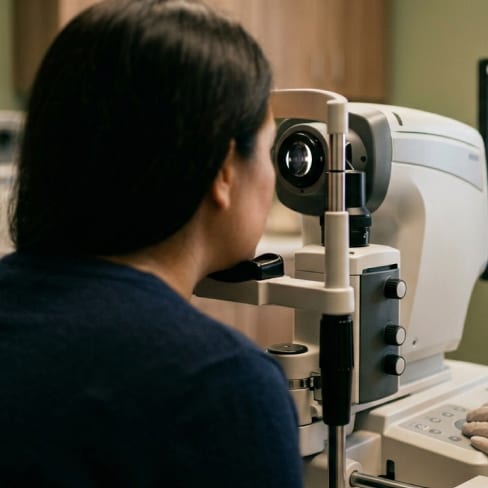

Protecting Your Sight Through Proactive Eye Care
Many eye diseases develop quietly, often showing no noticeable symptoms during their early stages. Without regular intervention, these conditions can lead to irreversible vision loss.
However, when detected and managed early enough, much of this damage can be prevented. This is why comprehensive eye exams and routine screenings are a fundamental part of your healthcare.
By staying proactive, you allow us to monitor your eye health and intervene before your vision is impacted. We encourage you to book an appointment at Prescott Valley Eye Care for an exam to stay ahead of these silent conditions.
Early Detection Through Technology
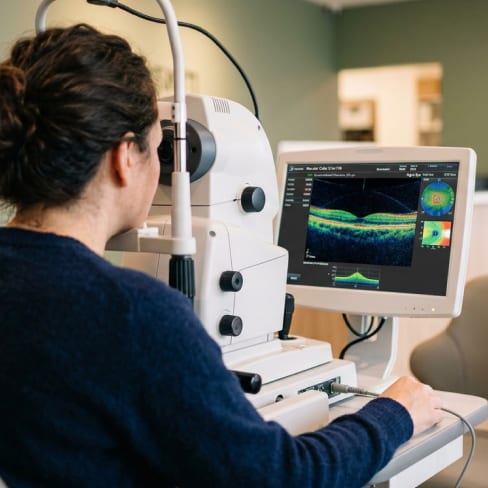
Our practice uses diagnostic technology to provide a detailed view of your ocular health. Tools such as Optos retinal imaging and OCT scans allow us to see the internal structures of the eye in high resolution, which allows us to detect physical changes in your eyes.
iCare tonometry and visual field testing help us monitor internal eye pressure and peripheral vision, both of which are important tests for glaucoma.
When these technologies are combined with the knowledge and experience of our optometrists, they become powerful assets in diagnosing and managing various eye diseases. This integrated approach helps prevent avoidable vision loss and provides a clear picture of your eye health over time.
Eye Diseases and Conditions We Manage
We are committed to supporting your long-term eye health through preventive care and proactive screenings. Our team monitors for a wide range of conditions to help protect your sight at every stage of life.
If you are diagnosed with a condition, we provide a complete management plan tailored to your needs, which may include co-management with or a referral to a specialist when necessary. Our goal is to provide a seamless path toward maintaining your visual function.
Glaucoma is a group of eye conditions that damage the optic nerve, often linked to abnormally high pressure inside the eye. It is one of the leading causes of blindness for people over the age of 60, yet it can often be managed effectively if caught early.
Because it typically lacks early symptoms, regular screenings are the most reliable way to detect glaucoma before it results in permanent peripheral vision loss.
A cataract is a gradual clouding of the eye’s natural lens, which can make vision appear blurry, hazy, or less colorful. Most cataracts develop slowly as part of the aging process and eventually interfere with daily activities like reading or driving at night. We monitor the progression of cataracts and help determine the appropriate time for surgical intervention to restore clarity.
Diabetic eye disease includes a range of problems that can affect people with diabetes, most notably diabetic retinopathy and macular edema. These conditions occur when high blood sugar levels damage the tiny blood vessels within the retina. Regular exams are vital for diabetic patients, as early management is the most effective way to prevent severe vision impairment.
AMD is a condition that affects the macula, the small central portion of the retina responsible for sharp, detailed vision. It can make it difficult to recognize faces, drive, or read fine print. We use specialized imaging to look for early signs of AMD, such as drusen deposits, and provide guidance on lifestyle and nutritional changes to help manage its progression.
How to Reduce Your Risk of Eye Disease
Eye diseases can be influenced by factors outside of your control, such as genetics and age, but there are several lifestyle choices that can lower your risk. Managing underlying health conditions like diabetes and hypertension is critical, as is quitting smoking and reducing UV exposure by wearing quality sunglasses with complete UV protection.
A healthy diet also plays a significant role in ocular health. Antioxidants like lutein, zeaxanthin, beta-carotene, and vitamin C can help to protect your eyes against AMD and cataracts.
To support your eyes, consider incorporating the following foods:
- Leafy greens like spinach and kale, which are rich in lutein and zeaxanthin
- Cold-water fish such as salmon or tuna, which are high in omega-3 fatty acids
- Citrus fruits and berries, which are loaded with vitamin C and antioxidants
- Nuts and seeds for a boost of vitamin E
- Eggs, for a combination of vitamin A, zeaxanthin, and lutein, which are found in the yolk
- Carrots, which contain beta-carotene and vitamin A
- Water, which supports overall hydration and healthy body functions
Schedule Your Annual Screening
Consistent eye care is the most effective defense against vision-threatening diseases. Seeing an optometrist regularly allows for the screening of conditions even when your vision feels clear, and no symptoms are present.
Our team is here to provide the professional care and innovative technology needed to monitor your eyes year after year. Book your annual comprehensive eye exam today to take an active role in preserving your sight for the future.
Visit Our Location
We’re located in the Bradshaw Medical Plaza just off North Windsong Drive. Free parking is available right outside the clinic.
- Phone: 928-771-9939
- Fax: 928-772-3972
- Email: pvecfd@pveyedoc.com
*We do not have an optician or optometrist available on Fridays. Patients can only pick up glasses and contact lenses.
Our Google Reviews

Our Featured Eyewear Brands












About Us
Specialty Eye Care
Eyewear & Contacts
Contact
- 928-771-9939
- 928-772-3972
- pvecfd@pveyedoc.com